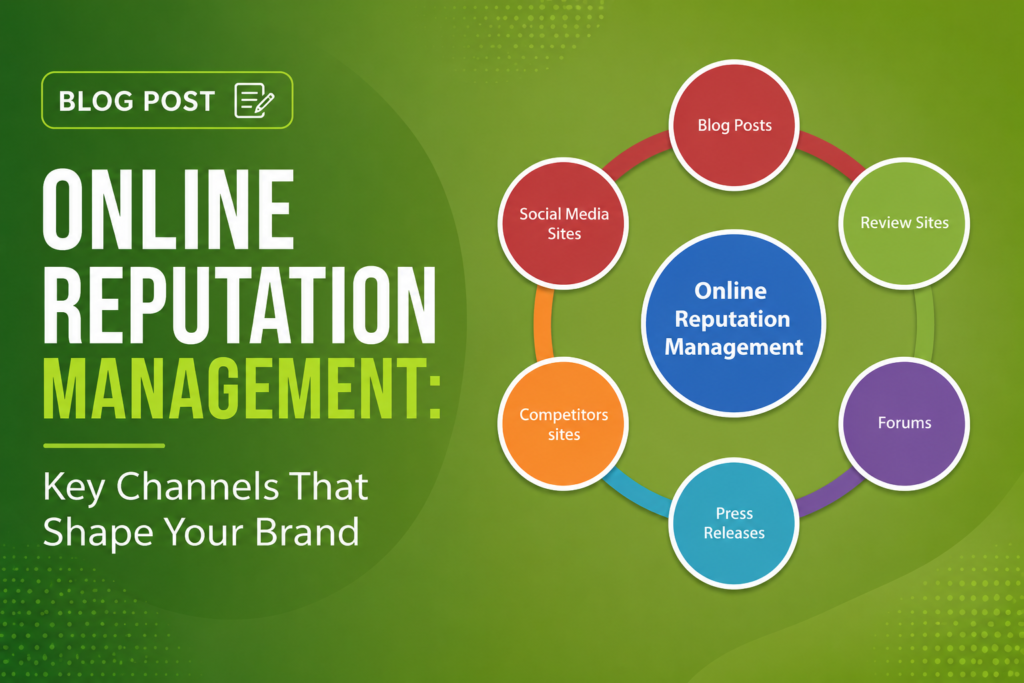
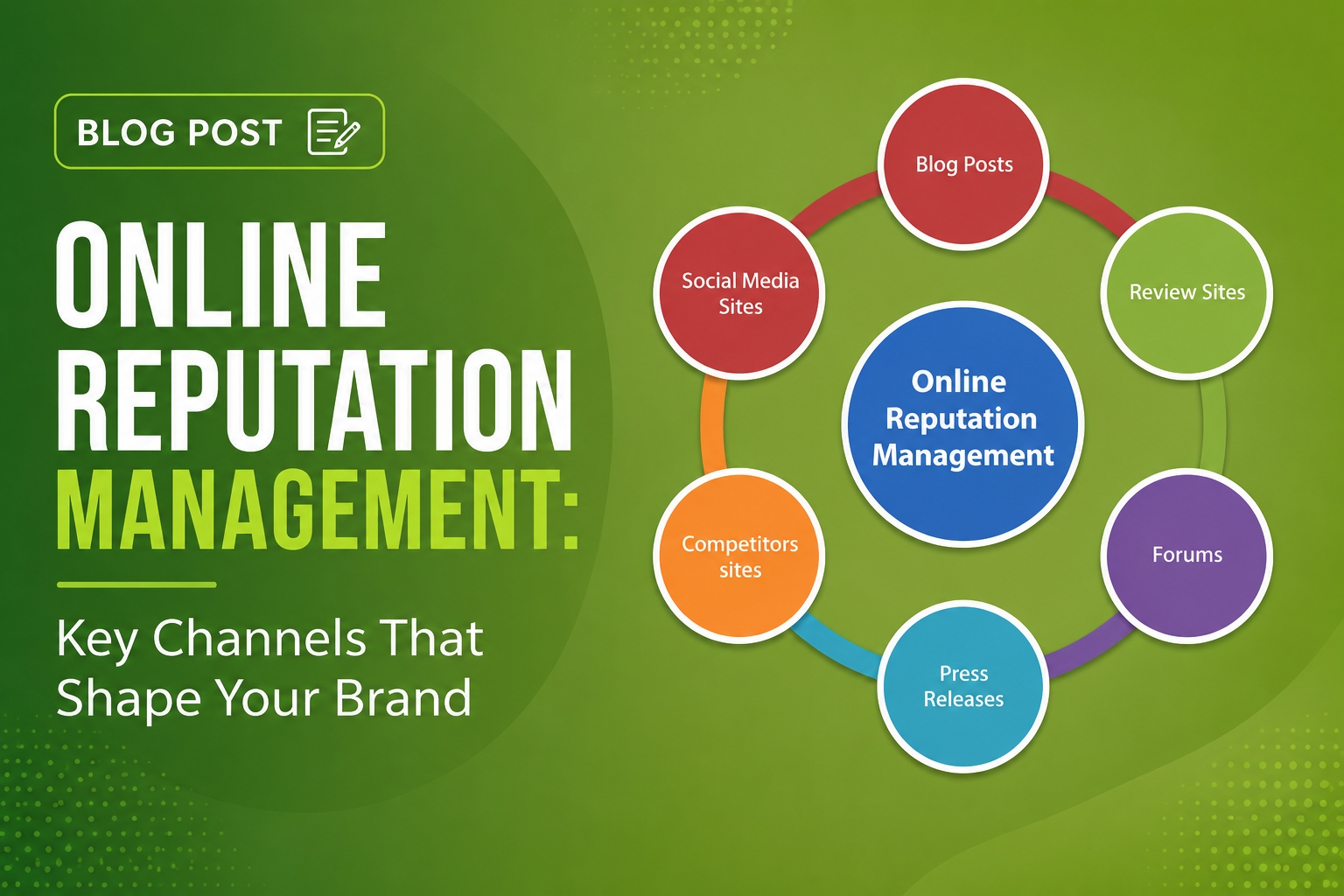
Online reputation management (ORM) is the practice of monitoring, shaping, and improving how your brand is perceived across the internet. In practical terms, that means responding to negative reviews, pushing down damaging search results, correcting misinformation, and making sure that what people find when they search your brand name actually reflects the business you have built. If you have ever Googled your own company and felt uneasy at the results, this guide is for you.
There are a lot of misconceptions surrounding online reputation management. Some businesses confuse it with social media monitoring. Others assume it is purely a PR exercise. In reality, ORM sits closest to digital PR — but with one key distinction. Whereas digital PR focuses on proactively building your brand’s online presence, online reputation management focuses on protecting it.
In today’s marketplace, where smartphones alone drive around 80% of retail website visits, how you appear online is inseparable from business performance. This guide covers why ORM matters more than ever, the core components you need in place, how to handle reviews and smear campaigns, and how to build a repeatable strategy your team can actually own.
Key Takeaways
- Your online reputation is what surfaces when people search your brand. ORM is the ongoing work of monitoring mentions, responding to reviews, and ensuring trustworthy content dominates page one.
- Effective monitoring requires layers. Start with free tools like Google Alerts, then add paid tools like Mention or Brand24 as your volume grows.
- Reviews are a conversion lever. Respond the same day on Google and Yelp. Stay calm, human, and non-defensive. Apologise when you are at fault, and move heated exchanges offline.
- You cannot delete most negative content — but you can outrank it. Suppression requires consistent SEO, quality content, and smart distribution.
- Make ORM a repeatable system, not a reactive scramble. Assign clear ownership, track KPIs monthly, and address the root causes behind recurring complaints.
Why Online Reputation Management Matters More Than Ever
Twenty years ago, brand communication was largely one-directional. Companies broadcast their message and customers had limited ways to respond publicly. That world no longer exists. Today, user-generated content is a constant, social media interactions are a genuine measure of brand health, and Google is beginning to surface community forums like Reddit within AI Overviews at the top of search results pages.
No matter the size of your business, people are talking about you right now — your prospects, existing customers, their connections, and sometimes your competitors. They are posting about your products on TikTok and Instagram, leaving reviews on Google, and sharing experiences in subreddits you may never have thought to check. If you believe you can build a sustainable business while ignoring those voices, the evidence suggests otherwise.
Today’s Brands Must Be Transparent
Transparency is increasingly non-negotiable. It means allowing employees to speak openly about products and services, building genuine communication channels with your audience, actively requesting feedback, and addressing criticism in public view rather than suppressing it. Most small and medium-sized businesses invest very little in brand communication and struggle with this concept — and their reputations reflect that gap.
Building transparency starts with having a consistent, approved approach for speaking on behalf of your brand, then opening and actively monitoring the channels where conversations about your business are already taking place.
Online Reputation Management "Failures": What They Teach Us
Transparency comes at a cost. When you open your brand to public feedback and opinion, you must also be prepared to manage the fallout quickly and professionally. Before committing to an open communication strategy, make sure a reputation management plan is already in place. History has no shortage of examples of brands that did not.
- Burger King UK’s “Women belong in the kitchen” post on X was designed to promote a scholarship for female chefs. The clarification lived in the replies; most people only saw the headline. Publishing it on National Women’s Day compounded the problem significantly.
- Gap attempted to post a unity message after the 2020 US election, featuring a half-red, half-blue hoodie. After months of divisive political rhetoric, a clothing brand positioning itself as a political peacemaker was always going to face scepticism.
- Robinhood spent $5 million on a Super Bowl ad promoting a “we are all investors” message — while simultaneously in legal trouble for restricting the very investors the ad claimed to champion.
- Biore partnered with an influencer who discussed personal mental health trauma from a campus shooting while simultaneously promoting their pore strips. The campaign was well-intentioned; the combination was not.
The lesson from all of these cases is the same: consider carefully how your audience is likely to receive a message before it goes live. Always respond to negative feedback with professionalism. You are not just replying to the person who left the review — you are demonstrating your brand’s character to everyone else who reads it.
Key Components of Online Reputation Management
1. Monitoring Brand Mentions and Reviews
You cannot address what you cannot see. Set up a monitoring system covering your brand name, executive names, product names, and common misspellings. Watch Google reviews, Yelp, Reddit, industry directories, and social media comments, and pay attention to patterns — the same complaint appearing repeatedly across multiple channels almost always signals a genuine operational issue.
Monitoring works best in layers. Google Alerts is a free starting point. For broader coverage, tools like Brandwatch, Sprout Social, Talkwalker, and Mention help you track sentiment at scale and identify whether something is actively affecting your brand perception.
Three practical tips to make monitoring genuinely actionable:
- Track high-intent query variations like “Brand + reviews,” “Brand + refund,” and “Brand + scam” — these tell you exactly what dissatisfied customers are searching for.
- Create location-specific alerts if you serve multiple areas, such as “Brand + [City].” Local reviews and rankings directly affect conversions.
- Assign one person to check alerts daily and label mentions as positive, neutral, or negative so trends are visible over time rather than buried in noise.
2. Review Generation and Requests
Monitoring reviews is valuable — but if you have very few reviews to monitor, generating more is the priority. There are legitimate ways to encourage reviews, but the approach matters.
- Make it frictionless to leave a review. Share your direct Google review link via email, at checkout, and on QR codes in-store. The lower the barrier, the more reviews you will receive. Reviews must be genuine — no incentives, no discounts in exchange for edits or removals.
- Time the ask correctly. Request a review immediately after a positive experience — post-purchase, after a successful appointment, or following a resolved support ticket. A simple, direct ask consistently outperforms a generic email campaign.
- Keep replies conversational and human. Reinforce the customer’s experience, add context where helpful, and never use a review response to push a sale or upsell.
- Welcome negative feedback. A realistic mix of positive and critical reviews builds credibility. A flawless run of five-star ratings with zero criticism often looks suspicious to prospective customers.
- Personalise every response. Use the reviewer’s name and sign with your own. That small, human detail makes a meaningful difference to how your response reads to everyone who encounters it.
3. Responding to Customer Feedback (Positive + Negative)
Fast, thoughtful responses demonstrate that you are present and accountable. According to BrightLocal’s Local Consumer Review Survey, 87% of consumers are more likely to trust a business that responds to all its reviews — positive and negative alike.
Thank people who leave positive reviews — it encourages more customers to do the same. For critical feedback, respond publicly with empathy and a clear path to resolution, then take the actual resolution offline. The goal is not to win the argument. It is to demonstrate to every future customer how you handle problems when they arise.
When a review is clearly abusive, spam, or factually false, keep your reply brief and professional, then report it through the platform’s official flagging process. Do not attempt to game the system — focus on delivering better experiences instead.
4. Suppressing Negative Search Results
When a negative article, an outdated complaint, or a damaging forum thread ranks for your brand name, you usually cannot simply delete it — but you can outrank it. Suppression means creating and promoting stronger, more credible assets until the negative result is pushed off page one.
If a competitor or third party has published something damaging, work with your digital PR team to create new content that outranks it, build internal and external links to your positive assets, and distribute them consistently across owned channels. Google rewards authority and relevance — give it better options.
5. Promoting Positive Content (PR, Social, Testimonials)
Positive content assets — customer stories, case studies, founder interviews, press mentions, YouTube videos, and social proof pages — rank and spread when built and distributed properly. Consistent publishing combined with smart promotion makes the positive narrative progressively easier to find and harder to dismiss.
Rather than simply collecting testimonials, interview your best customers. Ask what problem they had, what nearly stopped them from buying, and what genuinely changed after working with you. Use real numbers. Publish these as dedicated case study pages optimised around problem-based keywords, then promote them through email, product pages, and social channels.
Pitch podcast hosts, industry publications, and local media. Offer genuine insight rather than a sales pitch. When coverage lands, embed it on your site and turn key quotes into social clips. One well-placed interview can become five or six pieces of content when handled properly.
Video content also ranks. Create videos that directly address branded queries — questions like “Is [Your Company] legitimate?”, “How does [Your Product] work?”, or “Customer reviews of [Your Brand].” Optimise the titles, descriptions, and tags, and embed them into related blog posts to strengthen both assets.
How to Handle Reviews and Mentions
How to Handle Reviews and Mentions
Reviews and brand mentions are public receipts. You do not control what people post — but you completely control how you show up after they post it. A documented, deliberate response strategy is what separates brands that build trust from brands that damage it one careless reply at a time.
Keep Your Tone Calm and Human
Write like a real person, not a legal department. Stay calm. Avoid arguing. Resist the urge to blame the customer, even when they are factually wrong. Your job is to appear reasonable to the next person reading the thread. A straightforward “Thanks for flagging this — here is what we can do” will outperform a paragraph of defensive corporate language every time.
Respond Fast (Google and Yelp Reward Speed)
Speed signals that you are attentive and engaged. Set up alerts for new reviews and mentions, and assign clear internal ownership across support, marketing, and location managers. Same-day responses are the target on high-visibility platforms like Google Business Profile and Yelp, where customers are making purchase decisions in real time.
Handle Negative Reviews the Right Way
Apologise when the issue is genuine — billing errors, delays, poor service, broken products. Own it. Explain the next step clearly. Take the conversation offline when personal details or a back-and-forth exchange are required. A simple “Can you email us at [support address] with your order number so we can resolve this?” is almost always the right approach.
Turn Positive Reviews Into Marketing Assets
Do not let strong feedback go to waste. Screenshot it for social, pull quotes into presentations and proposals, embed it on landing pages, and build it into mini case studies. Create a repeatable system for collecting testimonials by timing the ask to moments of peak customer satisfaction — right after a successful delivery, a project close, or a resolved support issue.
What to Do If Your Business Faces an Online Smear Campaign
When businesses are unfairly targeted online, the first question is almost always: “Can we take legal action?” In most cases, online comments are protected under freedom of expression — even harsh, unfair ones. However, some content is genuinely actionable: material that uses defamatory language, presents demonstrably false information as fact, or is clearly aimed at destroying rather than critiquing your business.
If you are facing a coordinated campaign, here are the paths available to you:
- Aggressive SEO suppression: Push negative results down by creating and distributing stronger, more authoritative content. This is almost always the first step, regardless of what else you pursue in parallel.
- Review removal: If a review contains false claims, improper language, or is clearly aimed at destruction rather than genuine feedback, you may have grounds for formal removal. Report it through the platform’s official process.
- Own your narrative through owned media: Publish a clear, factual response on your blog, issue a press statement if warranted, and create short video content that explains the situation in plain language. Distribute it across social and email.
- Earn trust signals from authoritative sources: Getting featured in reputable publications creates high-quality backlinks to your positive pages, helping them outrank damaging content in search.
- Plan for LLM visibility: Publish a single “facts” page with common FAQs and basic schema markup. Keep your about, press, and key directory profiles (LinkedIn, Google Business Profile) consistently updated and aligned in tone. The more authoritative and consistent your sources, the less likely AI-generated results are to surface and repeat negative sentiment about your brand.
How to Build an Online Reputation Management Strategy
Your online reputation is your reputation — full stop. In the digital era, very little shields a business from public scrutiny, which is exactly why a proactive, structured approach to online reputation management is so valuable. Here are six practical steps that bring everything together.
1. Proactively Build Your Reputation
Online reputation management is substantially easier when you are not playing constant defence. Build credibility before you need it. Publish helpful content consistently. Answer the questions buyers search before they convert — pricing, comparisons, common mistakes, best-use cases. Add testimonials to your homepage, service pages, and pricing page. Stay genuinely active on social: share behind-the-scenes content, respond like a person, and show the real team behind the brand. Negative mentions get proportionally less attention when trust is consistently being built.
2. Start With a Simple Reputation Audit
Before fixing anything, establish a clear baseline. Here is a quick audit completable in under 20 minutes:
- Open an incognito browser window so search results are not personalised.
- Search your brand name plus common variations: “Brand + reviews,” “Brand + pricing,” “Brand + scam,” and your founder or CEO name if relevant.
- Scan the first page carefully. Note what appears: your own pages, third-party articles, Reddit threads, forum posts, or older press coverage.
- Check key review platforms: Google, Yelp (if local), and Trustpilot (if ecommerce or SaaS). Review both the overall rating and the most recent 10 reviews specifically.
- Search social platforms for brand mentions and complaints: X, LinkedIn, TikTok, and Instagram.
3. Set Clear, Measurable Goals
Online reputation management only produces results when you know what you are working toward. Without defined goals, you react to whatever surfaces each week rather than building something that compounds. Common, realistic ORM goals include:
- Increasing positive review volume on Google, Yelp, or Trustpilot to improve trust and conversion rates
- Reducing one-star feedback by identifying and resolving root causes — shipping delays, support wait times, billing errors
- Improving your average star rating, for example from 3.8 to 4.3, through a consistent review generation system
- Improving page-one search composition for your brand name by pushing your own pages and PR coverage higher in the SERP
4. Assign Clear Ownership Across Your Team
ORM collapses when it is treated as everyone’s collective responsibility and no-one’s specific job. Assign ownership across three areas: monitoring tools (who checks alerts daily), responding to reviews (who replies, who escalates, who closes the loop), and publishing positive content (who collects wins and turns them into posts, testimonials, and case studies).
You do not need a large team. You need a simple response playbook covering tone rules, response time targets, when to apologise publicly versus take the conversation offline, and ready-made templates for the most common scenarios.
In larger organisations, ownership typically breaks down as follows:
- Marketing: monitors search results, brand content, testimonials, press, and social proof
- Support / Customer Success: manages review responses, issue resolution, and complaint pattern analysis
- Social team: reviews and responds to DMs, comments, tagged posts, and influencer mentions
- PR/Comms: handles media requests, journalist outreach, and any crisis response
5. Track Progress With Real Metrics
If you are not measuring your reputation, you are guessing — and guessing is how small issues quietly become large ones. Start with a handful of KPIs that actually reflect trust:
- Average review score by platform and, if relevant, by location
- Number of new reviews per month — volume matters as much as average rating
- Brand sentiment trend — are mentions becoming more positive, more negative, or holding steady?
- Page-one search composition for your brand name — what proportion of results are your assets versus third-party content?
Review these metrics on a regular cadence. If billing complaints spike, fix the process. If your review volume is dropping, revisit your ask strategy. Metrics are only useful when they drive action.
Frequently Asked Questions About Online Reputation Management
What is online reputation management?
Online reputation management is the process of shaping how your brand is perceived across the internet. It covers monitoring reviews and brand mentions, responding to feedback, improving what appears on Google’s page one, and promoting trust-building content like testimonials and press coverage. The goal is not to hide reality — it is to ensure accurate, positive information is easy for anyone to find.
Why is online reputation management important?
Because search results are one of the first things a potential customer, partner, investor, or prospective employee checks before making a decision about your business. Unchallenged negative reviews, unaddressed complaints, and damaging content ranking on page one all cost you leads, conversions, and talent every single day.
How do you do online reputation management?
Start with a baseline audit: search your brand in incognito mode and review what surfaces. Set up monitoring tools. Respond to every review on high-visibility platforms. Build a content calendar for positive assets. Assign ownership across your team. Track KPIs monthly and adjust based on what the data tells you.
How do you improve online reputation management over time?
The most important shift is moving from reactive to proactive. Build your positive content library before you need it. Create systems for generating reviews consistently. Address the root causes of recurring complaints rather than responding to each one in isolation. And measure everything — if it is not tracked, it will not improve.
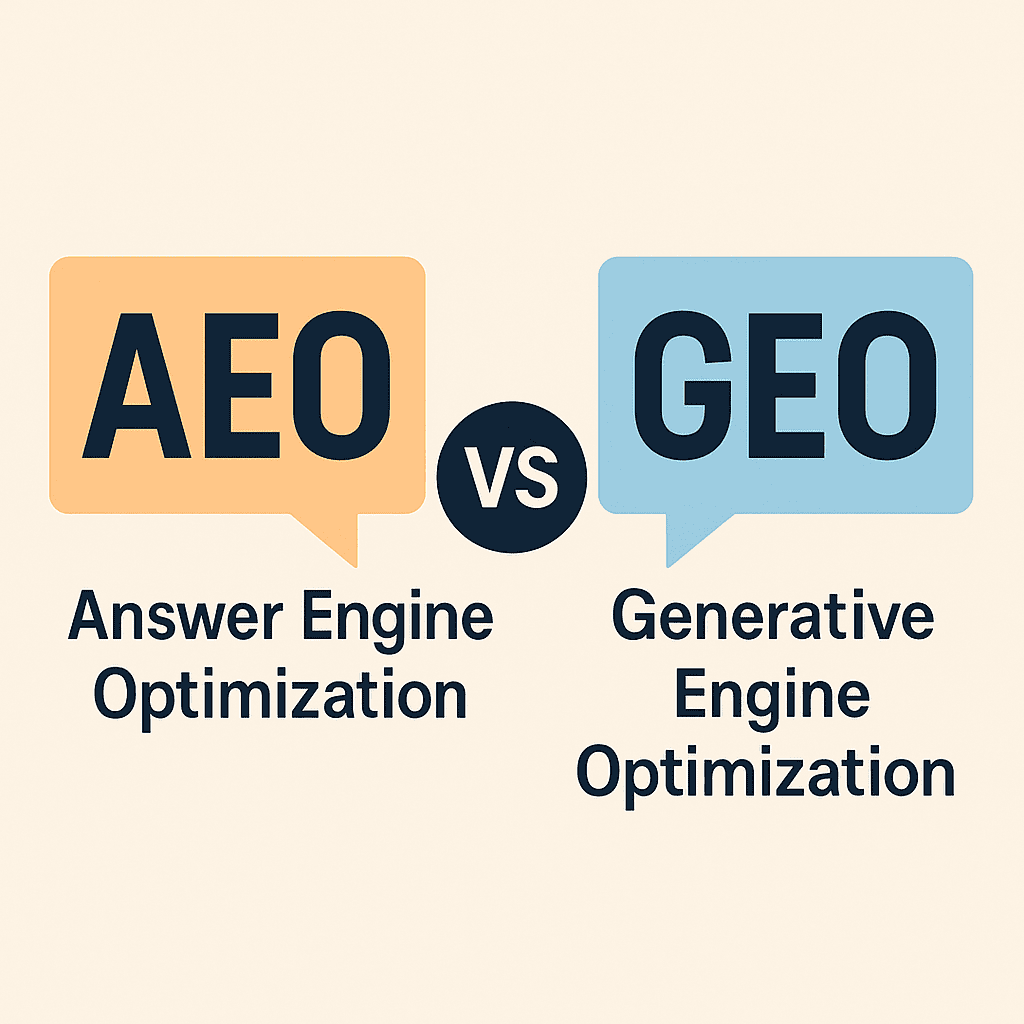
Conclusion: GEO vs AEO Both Matter — Here’s How to Use Them Together
Managing your online reputation starts with genuinely listening to what your customers are saying and finding ways to engage with them honestly. Responding to criticism and maintaining a strong SEO presence are necessary foundations — but on their own, they will not protect you from a coordinated smear campaign or a product issue that goes viral.
The businesses that handle reputation best treat ORM as a proactive trust-building system rather than a damage-control mechanism. They build before they need to defend. They respond before issues can escalate. They measure before problems compound. As your business scales, the stakes only increase — which means the right time to build a solid online reputation management foundation is now, before you need it.
Let WEBSIGH Optimize Your Local SEO
At WEBSIGH, we help businesses build and protect the kind of online reputation that converts strangers into customers and keeps existing customers loyal. If you want a strategic partner to help you get there, get in touch with our team today.
📧 Email: info@websigh.com
📞 Phone: +91 (700) 880-7871
🔗 Have Your ORM Audit: Fill the form below, and we will get back to you.
Recommended Reading & Sources
-
- BrightLocal Local Consumer Review Survey — brightlocal.com/research/local-consumer-review-survey
- Google Business Profile Help Centre — support.google.com/business
- Google’s Review Policies — support.google.com/contributionpolicy
- Moz — Local SEO and Reputation Guide — moz.com/learn/seo/local
- Search Engine Journal — ORM Best Practices — searchenginejournal.com/online-reputation-management
The technology that we use to support you
Ready to reduce your technology cost?

See More Blogs



Let's Make Something Impactful
Call us at: 700-880-7871
- Client-oriented
- Independent
- Competent
- Results-driven
- Problem-solving
- Transparent