Local SEO for LLMs is no longer optional; it is quickly becoming the defining factor in whether your business gets found online. Large language models (LLMs) like ChatGPT, Perplexity, and Google’s AI Overviews are changing how potential customers discover local businesses. Unlike traditional search engines that simply rank web pages, these AI-driven systems interpret language, infer meaning, and build a picture of your brand from signals across the entire web. If your local visibility has felt unpredictable lately, this shift is almost certainly part of the reason.
The good news? You don’t need to start from scratch. Traditional local SEO fundamentals. Google Business Profile optimisation, NAP consistency, and review generation- still form the foundation. But now, you also need to optimise for AI models that require clearer context and stronger structured signals. Without these, you risk fading from AI-generated answers even when your conventional rankings look perfectly healthy.
How LLMs Impact Local Search Results
Traditional local search gives users a list of options: maps, directory listings, and organic results. LLMs work differently. Rather than presenting choices, they generate a confident, singular answer based on the clearest and strongest signals available across the web. If your business isn’t sending those signals consistently, you simply don’t get included.
LLMs don’t rely on proximity-based weighting the way Google’s local algorithm does. They infer local relevance from patterns in language and structured data. Specifically, they draw on:
- Reviews that reference service areas, neighbourhoods, and staff names
- Schema markup that clearly defines your business type and location
- Local mentions across directories, social platforms, and community publications
- Content that addresses city-specific or neighbourhood-specific questions and concerns
Critically, LLMs do not use GPS or live IP address data the way Google does at the moment of search. They depend entirely on explicit mentions, conversational context, and structured information embedded in your digital footprint. If that information is inconsistent or vague, the model fills the gap and often chooses a competitor with stronger signals instead.
Why Traditional Local SEO Still Matters in an AI-Driven World
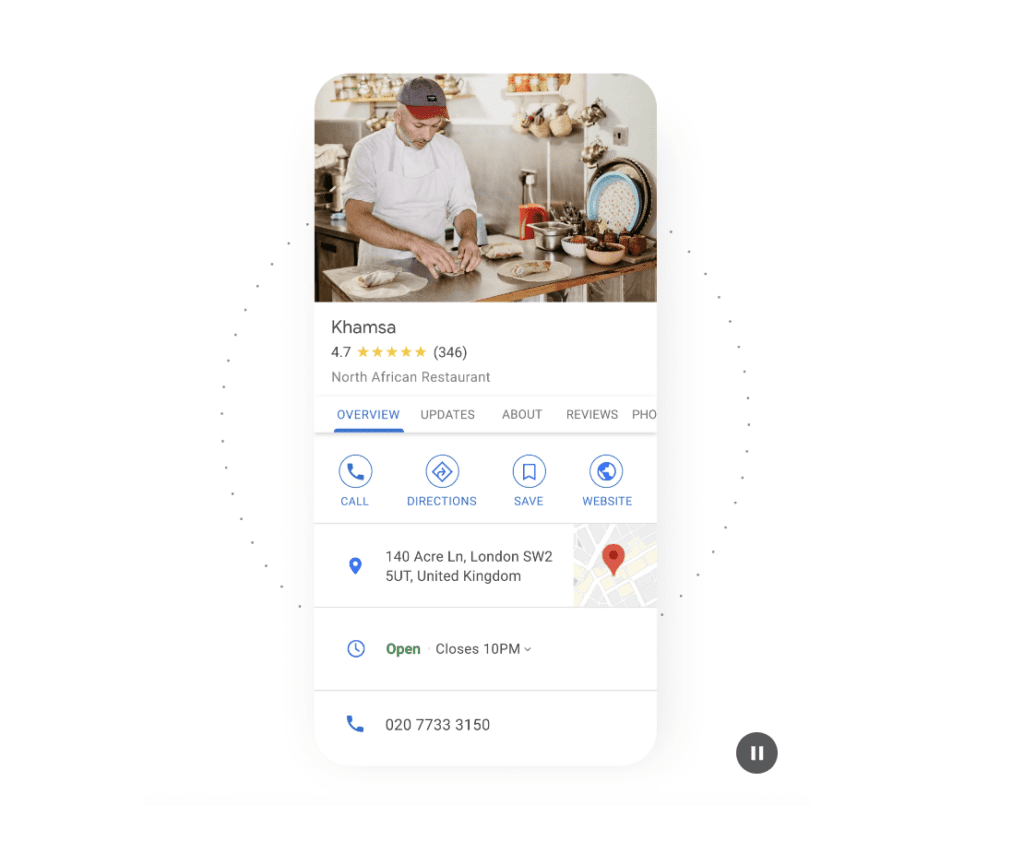
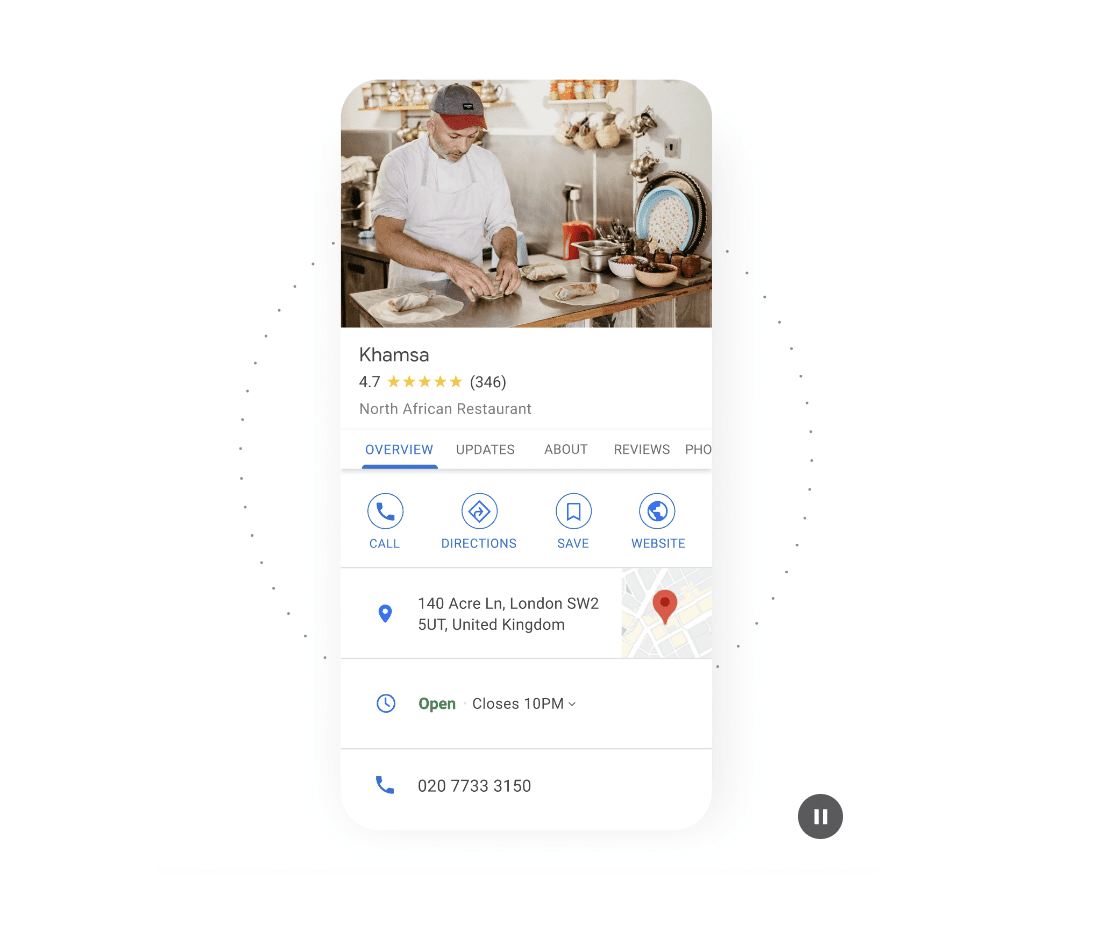
Even in a landscape dominated by LLM-generated answers, local SEO remains the foundation these AI systems build on. LLMs still pull data from Google Business Profiles, customer reviews, NAP citations, and on-site content to understand what your business does and who it serves.
The key difference in the LLM era is the level of consistency required. If your business description changes from platform to platform, or your name, address, and phone number don’t match across directories, AI models detect that inconsistency and become less confident about including you in their answers. That uncertainty keeps you out of high-value AI-generated results — even if a customer searches for your business specifically.
Think of it this way: local SEO gives your business structure and stability. AI search gives you new opportunities for visibility. When both are done well, they reinforce each other.
Best Practices for Local SEO for LLMs
To show up in both traditional search results and AI-generated summaries, your strategy needs to prioritise clarity, context, and entity-level consistency. Here is what that looks like in practice.
Write Content That Reflects Your Local Community
Generic local landing pages are far less effective than they used to be. LLMs prefer businesses that demonstrate genuine knowledge of the communities they serve. This means going beyond “plumber in [city]” and creating content that reflects neighbourhood-specific issues, local climate or seasonal challenges, regional regulations, and cultural nuances relevant to your audience.
For example, a roofing company in Phoenix should talk about extreme heat and tile-roof repair. A dental practice in Chicago might reference nearby landmarks and questions patients in that area commonly ask. The more grounded your content feels in a real place, the easier it is for AI models to match your business to genuine local intent.
Structure Your Content So LLMs Can Parse It Easily
LLMs work best with clearly structured content. That means using straightforward headings, short sections, natural-language FAQs, and sentences that mirror how real people ask questions. Instead of writing “Austin HVAC services,” try answering a full question like: “What is the fastest way to fix an AC unit that stops working during Austin’s summer heat?”
According to research from Moz and other leading SEO publications, conversational, question-based content is significantly more likely to appear in AI-generated summaries than keyword-stuffed copy. The more your structure supports easy extraction by AI, the more often your business gets referenced.
Strengthen Your Local E-E-A-T Signals
LLMs evaluate credibility through the same Experience, Expertise, Authority, and Trust (E-E-A-T) signals that human readers look for. To strengthen these locally, focus on:
- Case studies and project details tied to specific neighbourhoods
- Expert commentary and insights from named team members
- Author bios that clearly reflect relevant credentials and experience
- Community involvement, partnerships, or local recognition
- Customer reviews that mention specific outcomes and service locations
When these signals appear consistently across your web presence, AI models treat your business as more trustworthy and are more likely to recommend you.
Use Entity-Based Schema Markup for LLM Visibility
Schema markup is one of the clearest ways to communicate your business identity to AI. LocalBusiness schema, service area definitions, department structures, and product or service attributes all help LLMs recognise your entity as distinct and legitimate. According to Google’s structured data documentation, the more complete your markup, the stronger your entity becomes — and strong entities appear more often in AI-generated answers.
Standardise Your Brand Presence Across Every Platform
LLMs analyse your entire digital footprint, not just your website. They assess how consistently your brand appears across social platforms, industry directories, local organisations, review sites, and community publications. If your name, address, phone number, business hours, or description vary between platforms, AI models detect that inconsistency and become less confident about recommending you.
One often-overlooked priority: ChatGPT uses Bing’s index, which means your Bing Places profile matters significantly for LLM-driven local SEO. Apple Maps, Google Maps, and Waze are also important platforms for ensuring your NAP information is accurate and consistent. Standardisation builds authority — and authority drives visibility.
Use Localised Content Formats That AI Loves
Certain content formats are particularly well-suited to AI extraction. Comparison guides, cost breakdowns, neighbourhood-specific FAQs, and troubleshooting explainers all translate well into AI-generated answers. These formats help models understand your business with precision and give them pre-packaged, citable content to pull from when generating local recommendations.
Don’t Overlook Internal Linking
Internal linking helps LLMs understand the structure of your expertise and follow the path of your authority across your site. Connect service pages to their related location pages, link blog posts to the services they support, and tie local FAQs back to broader category content. A well-linked site tells AI — and search engines — which topics matter most to your business.
How to Track Your Local SEO Performance in the LLM Era
Traditional keyword rankings no longer tell the full story. To understand how your business is performing in AI-generated results, you need to monitor a broader set of signals:
- Branded search growth (are more people searching specifically for your business name?)
- Google Search Console impressions and click-through rates
- Referral traffic from AI tools and zero-click search
- Increases in unlinked brand mentions across the web
- Review volume growth and changes in review language and sentiment
Dedicated AI visibility tools like Profound are making this tracking much easier. The goal is to identify whether LLMs are including your business in their summaries, even when no click ever occurs. As zero-click results continue to grow, these metrics become essential performance indicators.
Frequently Asked Questions About Local SEO for LLMs
What is local SEO for LLMs?
Local SEO for LLMs is the practice of optimising your business’s digital presence so that AI-powered language models can recognise, understand, and surface your business in response to local queries. It builds on traditional local SEO but adds a focus on structured data, entity consistency, and content clarity.
What signals do LLMs use to determine local relevance?
LLMs rely on entities, schema markup, NAP citations, review language, and contextual signals such as references to local landmarks, neighbourhoods, and region-specific topics. Unlike Google, they do not use real-time GPS or IP location data.
Do reviews impact LLM-driven local searches?
Yes. The specific language inside customer reviews helps AI models understand both what services you offer and where you offer them. Reviews that mention neighbourhood names, specific services, and staff members are especially valuable for LLM visibility.
How do I start optimising for local SEO and LLMs?
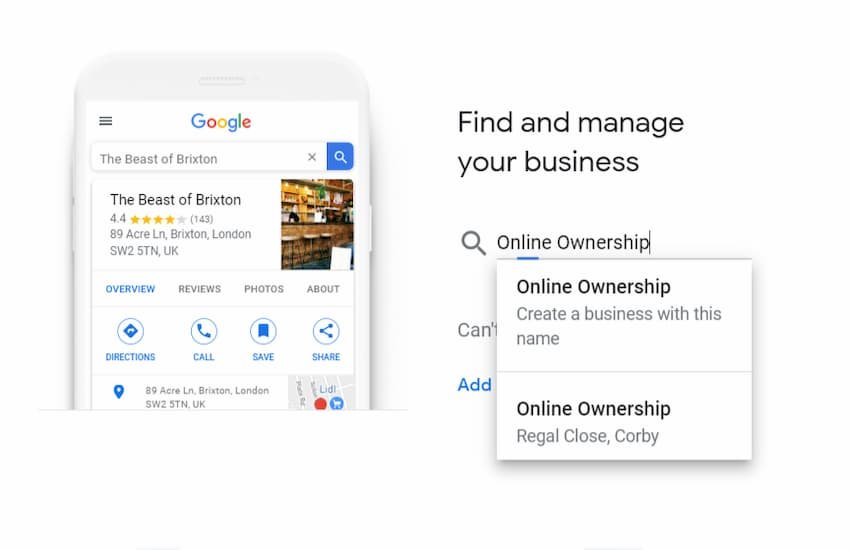
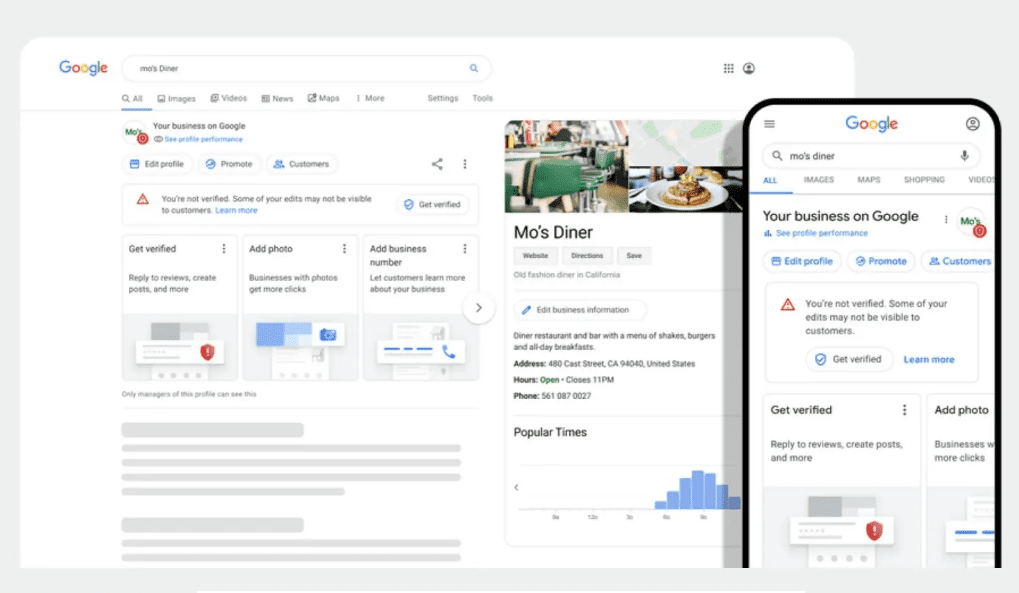
Start with accurate, consistent NAP data across all platforms. Ensure your Google Business Profile and Bing Places for Business listings are complete. Add strong LocalBusiness schema markup to your website. Then focus on creating natural-language content that answers the specific questions your local customers are actually asking.
Conclusion: Local SEO for LLMs Requires Clarity, Consistency, and Context
LLMs are rewriting the rules of local discovery — but the businesses that adapt quickly stand to gain significant competitive advantage. Strong local SEO still provides the signals these AI systems depend on. When your entity is clear, your citations are consistent, and your content genuinely reflects the needs of your local community, AI models can understand and recommend your business with confidence.
The principles that underpin effective local SEO for LLMs are the same ones at the heart of great local SEO in general: strengthen your entity, maintain consistent citations, and create content that is grounded in real local intent. Do that, and you improve your visibility everywhere — in organic rankings, map results, and AI-generated answers alike.
Let WEBSIGH Optimize Your Local SEO
At WEBSIGH, we help local businesses build the kind of digital presence that performs in both traditional search and the AI-powered search landscape. If you’re ready to future-proof your local visibility, get in touch with our team today.
📧 Email: info@websigh.com
📞 Phone: +91 (700) 880-7871
🔗 Free SEO Audit: Fill the form below, and we will get back to you.
Don’t let competitors capture early-mover advantages in local SEO. WEBSIGH helps brands optimise for AI-powered local shopping before it becomes saturated.
Recommended Reading & Sources
- Google Business Profile Help — support.google.com/business
- Google’s Structured Data Guidelines — developers.google.com/search/docs/appearance/structured-data
- Moz Local SEO Guide — moz.com/learn/seo/local
- Schema.org LocalBusiness Reference — schema.org/LocalBusiness
- BrightLocal Local Consumer Review Survey — brightlocal.com/research/local-consumer-review-survey
The technology that we use to support you
Ready to reduce your technology cost?

See More Blogs




Let's Make Something Impactful
Call us at: 700-880-7871
- Client-oriented
- Independent
- Competent
- Results-driven
- Problem-solving
- Transparent